

How To Find Reliable Gym Equipment Suppliers In China: A Buyer'S Guide
Sourcing from China can save you 30-50% compared to domestic brands. But the risk of getting low-quality gear is real. We've helped hundreds of gym owners navigate this. Here's what you need to know.
Why source gym equipment from China?
China dominates global fitness manufacturing. Over 60% of commercial gym equipment worldwide comes from Chinese factories. You get ex-factory pricing, massive product variety, and the ability to customize. Brands like MBH
What should I look for in a supplier?
Start with certifications. ISO 9001 for quality management is non-negotiable. Check if they have CE or EN957 standards for safety. Ask about their R&D capability. A supplier like MBH with a 380,000 square meter innovation base and independent R&D is a solid sign. Look at their product range. If they offer cardio, selectorized strength, plate loaded, and free weights under one roof, that's a bonus. You want a single source for your entire gym setup.
How do I verify quality before buying?
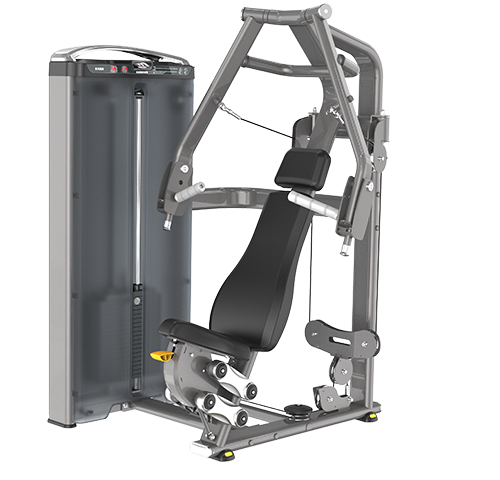
Request videos of the production line. Ask for third-party inspection reports. Many buyers visit the factory in person. For a chest press machine like the MEL-001 Chest Press, check the gauge of steel used and the quality of the upholstery. Test the smoothness of the movement. Commercial gym machines should withstand 8-10 hours of daily use for 5-7 years. Ask for references from other gyms that purchased similar equipment.
What about MOQs and customization?
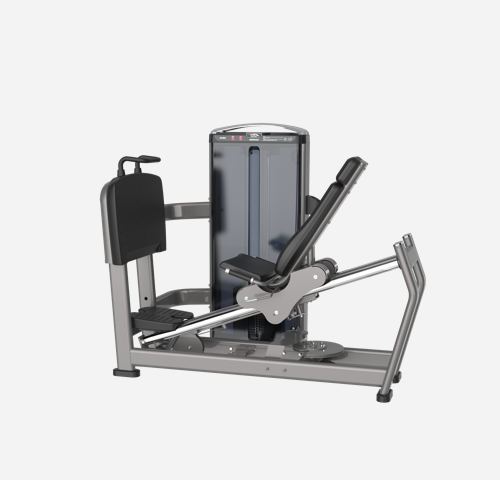
Minimum order quantities vary wildly. Some factories demand 50+ units per model. Others, like MBH, are more flexible. Customization is common. You can get your logo on pads, choose custom colors, and adjust weight stacks. For plate loaded machines like the MEL-015 Leg Press
How does shipping and logistics work?
Most suppliers offer FOB (Free on Board) pricing. You pay for shipping from the Chinese port. A 20-foot container holds roughly 30-40 strength machines. A 40-foot container holds 60-80 units depending on the mix. Factor in 4-6 weeks for manufacturing and 3-5 weeks for sea freight to the US or Europe. Some suppliers offer consolidated shipping to reduce costs. Ask about packaging - commercial gym equipment should come with heavy-duty corrugated boxes and foam protection.
What about after-sales support?
This is where many buyers get burned. Ask about warranty terms upfront. Reputable Chinese suppliers offer 2-5 years on frames and 1-2 years on moving parts. MBH provides complete aftersales service. Check if they stock spare parts locally or can ship them quickly. Ask for a list of replacement parts with pricing. A good supplier will help you troubleshoot issues via video call within 24 hours.
How do I compare different suppliers?
Create a comparison matrix. Score each supplier on:
- Quality certifications and testing standards
- Production capacity and lead times
- Product range breadth
- Customization flexibility
- Warranty and after-sales support
- Client references and case studies
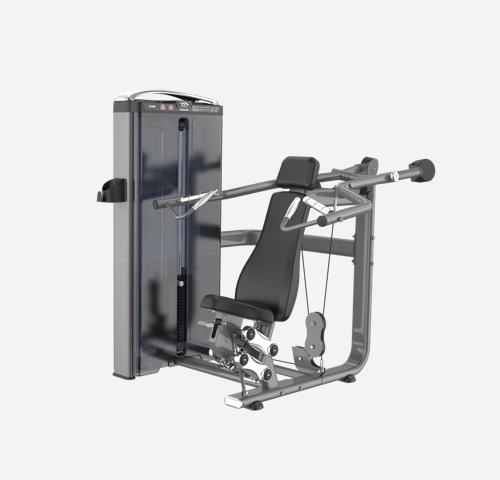
Compare specific models side by side. For example, look at the MEL-003 Shoulder Press
What payment terms are standard?
Typical terms are 30% deposit with order and 70% before shipment. For repeat customers, some suppliers offer 30-60 day net terms. Avoid paying 100% upfront. Use letters of credit for large orders over $50,000. PayPal and wire transfers are common for smaller orders. Never send payment to a personal account - only company accounts.
How do I handle product samples?
Always request samples before placing a bulk order. Some suppliers charge for samples but refund the cost with the first order. For selectorized machines like the MEL-012 Lat Pull Down, ask for a sample of the cable system and the weight stack guide rods. These are high-wear components. Test the sample for 2-3 weeks in a real gym environment if possible.
What are the common mistakes buyers make?
Biggest mistake: choosing based on price alone. The cheapest option usually fails within 12 months. Second mistake: not specifying commercial-grade components. Home gym parts won't hold up in a high-traffic gym. Third mistake: ignoring the fine print on warranties. Some suppliers only cover the frame, not the moving parts. Fourth mistake: not accounting for import duties and taxes. Factor an additional 5-20% depending on your country.
How do I build a long-term relationship with a supplier?
Communication is key. Assign a dedicated point of contact. Visit the factory at least once a year. Place consistent orders rather than huge one-offs. Provide feedback on product quality. Suppliers value buyers who help them improve. MBH, for example, works closely with gyms to refine their equipment designs. A strong partnership means better pricing, priority production slots, and faster issue resolution.
What's the best way to start?
Begin with a shortlist of 5-7 suppliers. Reach out via Alibaba or direct website contact. Ask for a catalog and pricing for 3-4 specific models you need. Compare the responses. Look for detailed, professional replies with spec sheets and clear pricing. Then move to video calls and sample requests. If you're looking for a complete line of plate loaded machines, check the XHA-023A Weight Bench (Premium) and the XHA005 Cable Crossover as examples of what a reliable supplier offers.
Finding the right Chinese supplier takes work. But the payoff is real - commercial-grade equipment at 40-60% less than Western brands. Focus on quality, communication, and after-sales support. Your gym floor will thank you.