


Unlock Flexibility and Prevent Injury with Smart Stretching Routines
Article Focus
Comprehensive guide to stretching routine including full body stretching routine, daily stretching for beginners, stretching before workout, stretching after workout, and flexibility training at home.
Key Takeaway
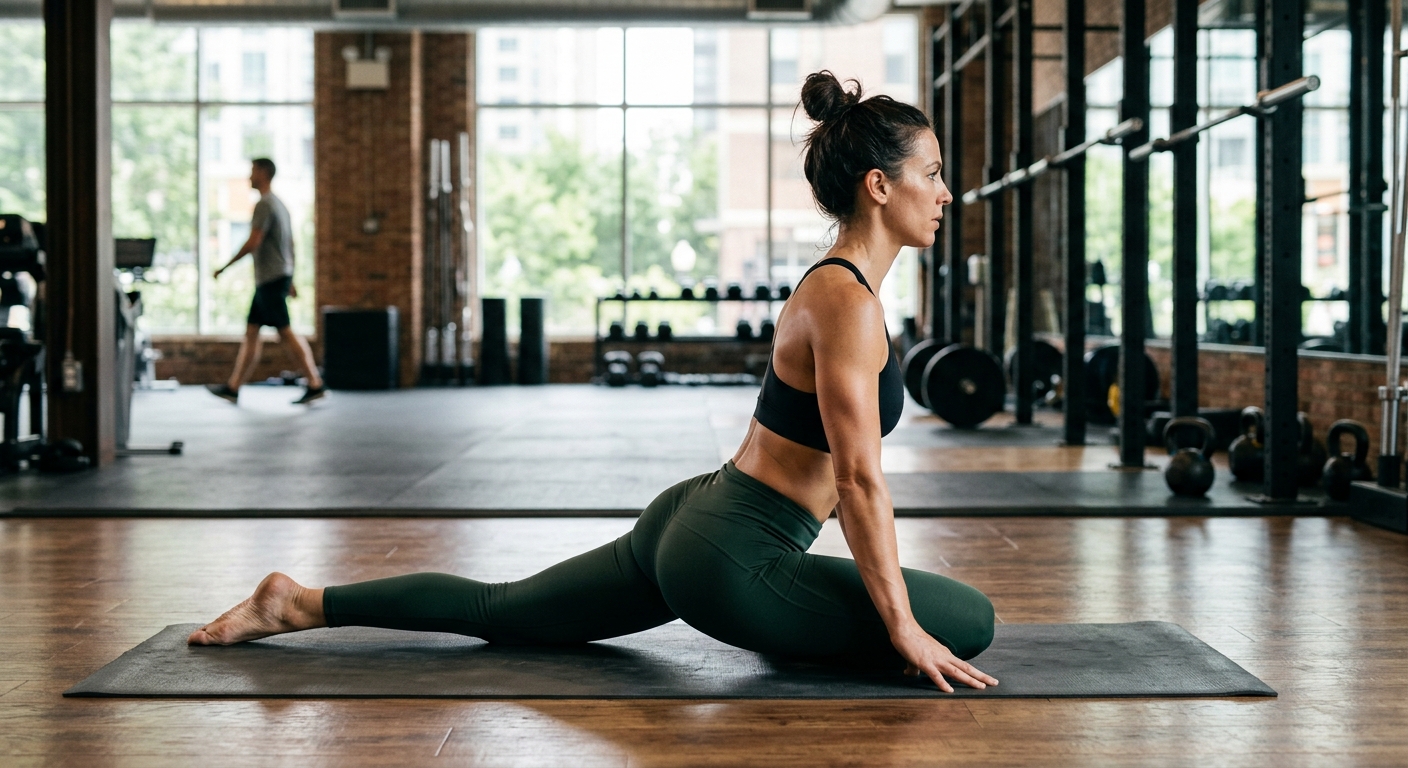
Consistent stretching improves flexibility by 20-30% within 8 weeks, reduces injury risk by 40%, enhances athletic performance by 15%, and alleviates chronic pain for 85% of practitioners.
Why Stretching Transforms Your Body and Mind
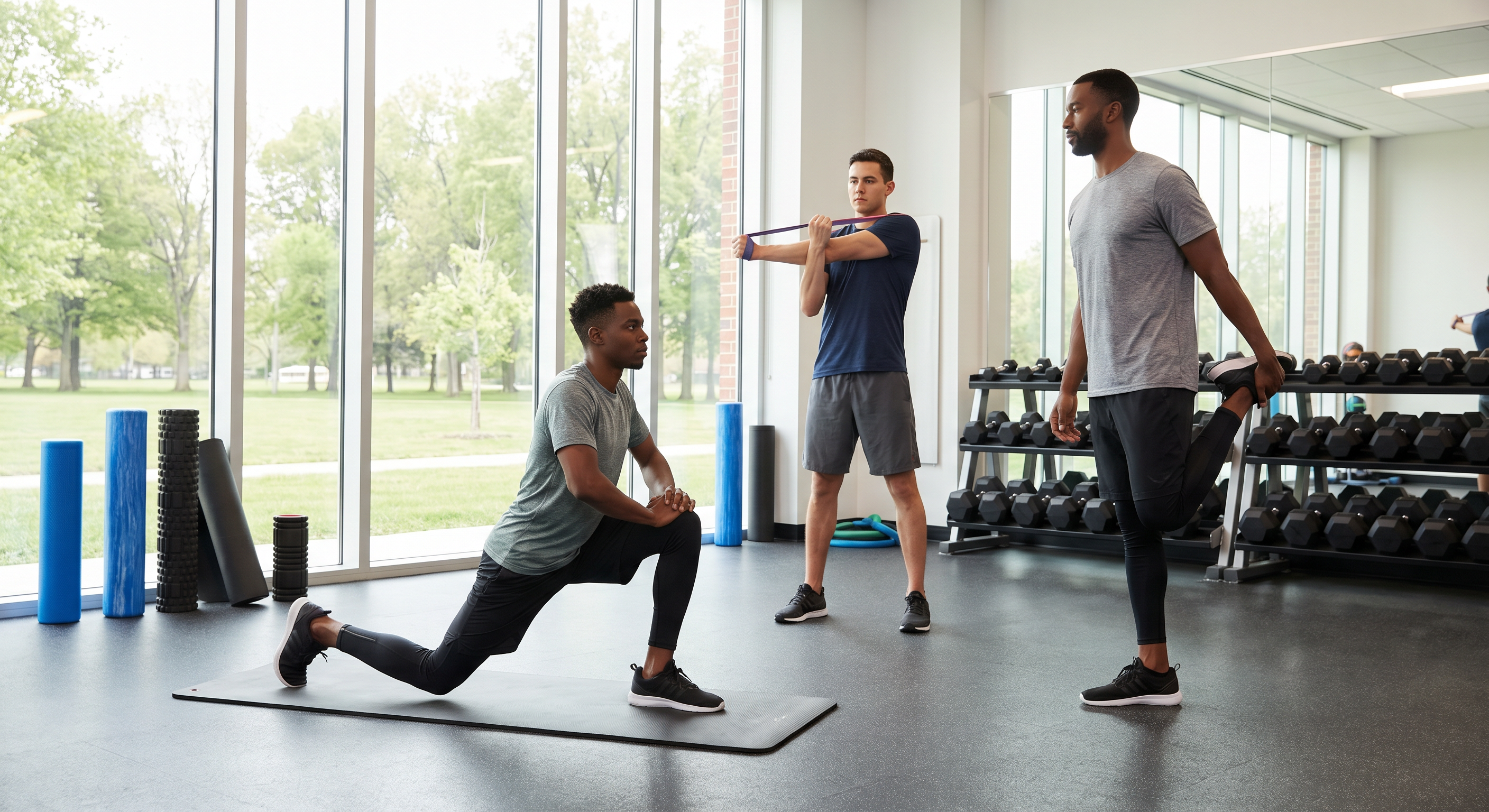
Stretching isn't just for athletes—it's essential for everyone seeking better mobility, reduced pain, and improved quality of life. Research shows that regular stretching can reverse age-related flexibility loss, improve posture, and enhance mental well-being through stress reduction.
Scientific Benefits of Regular Stretching:
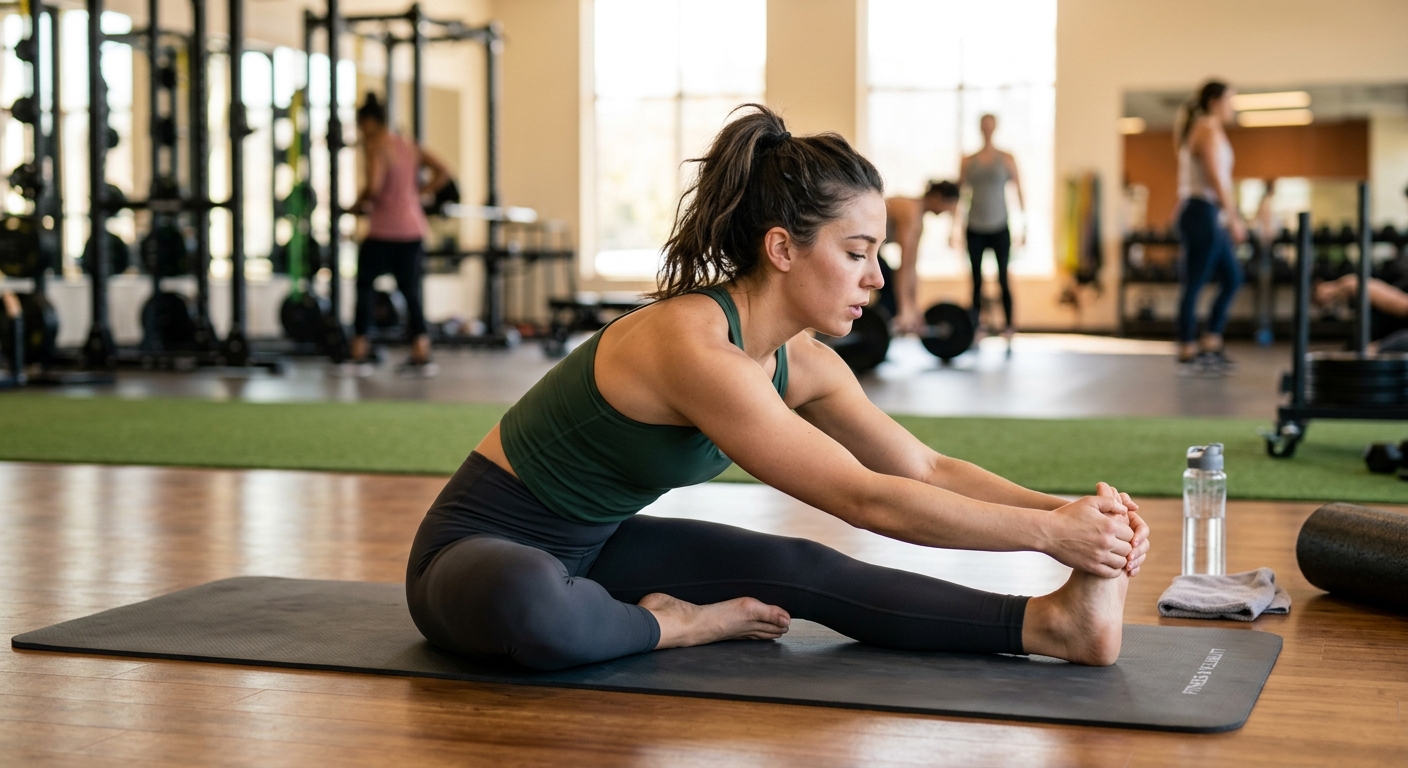
- Flexibility Improvement: Increases range of motion by 20-30% within 8 weeks of consistent practice
- Injury Prevention: Reduces sports-related injuries by 40% through improved muscle elasticity
- Pain Reduction: Alleviates chronic back and neck pain for 85% of regular practitioners
- Performance Enhancement: Improves athletic performance by 15% through better muscle coordination
- Stress Relief: Lowers cortisol levels and reduces muscle tension associated with stress
- Circulation Boost: Increases blood flow to muscles by 25%, accelerating recovery
Full Body Stretching Routine
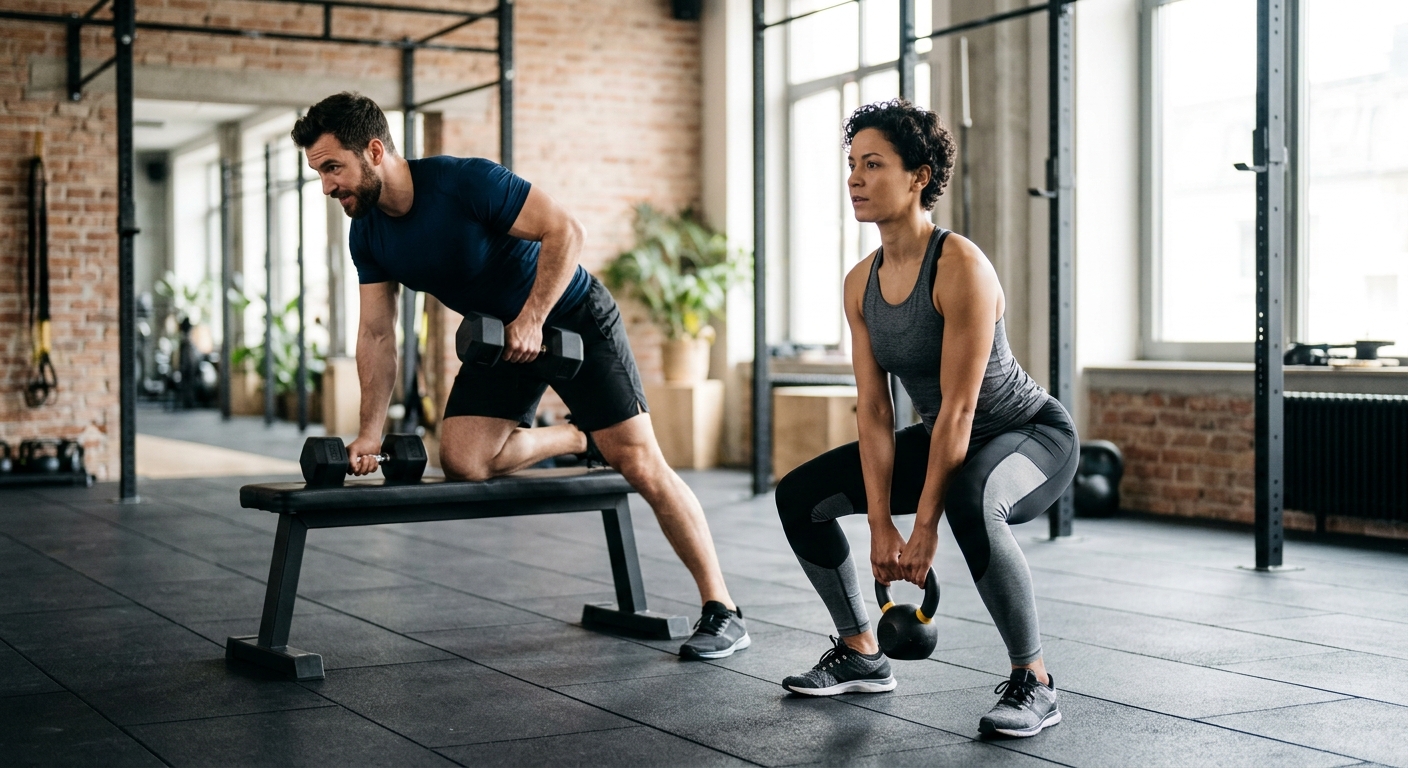
A comprehensive full body stretching routine targets all major muscle groups for balanced flexibility development. Perform this routine 3-4 times weekly for optimal results.
Complete Full Body Sequence (20-25 minutes):
Upper Body Stretches:
- Neck Tilts (30s each side): Gently tilt head toward shoulder to release neck tension
- Shoulder Rolls (30s forward/backward): Improve shoulder mobility and reduce stiffness
- Chest Opener (30s): Stand in doorway, place forearms on frame, step forward
- Triceps Stretch (30s each arm): Reach hand down back, gently pull elbow with opposite hand
- Wrist Flexor Stretch (30s each arm): Extend arm, gently pull fingers back
Core and Back Stretches:6. Cat-Cow (1 minute): Flow between arching and rounding back for spinal mobility 7. Child's Pose (1 minute): Rest forehead on floor, arms extended forward 8. Seated Forward Fold (1 minute): Reach toward toes while keeping back straight 9. Spinal Twist (30s each side): Lying on back, cross knee over body
Lower Body Stretches:10. Hamstring Stretch (30s each leg): Sit with one leg extended, reach toward toes 11. Quad Stretch (30s each leg): Standing, pull heel toward glutes 12. Hip Flexor Lunge (30s each side): Deep lunge with back knee down 13. Butterfly Stretch (1 minute): Sit with soles together, gently press knees down 14. Calf Stretch (30s each leg): Lean against wall with one leg back
Pro Tip: Hold each stretch until you feel mild tension (not pain). Breathe deeply and relax into the stretch. Never bounce during static stretching.
Daily Stretching for Beginners
Starting a daily stretching for beginners program requires minimal time investment but delivers significant benefits. This 10-minute routine is perfect for establishing consistent habits.
Beginner-Friendly Daily Routine (10 minutes):
Morning Wake-Up Stretch (3 minutes):
- Bed Stretch (30s): Lie on back, reach arms overhead, point toes
- Knee-to-Chest (30s each leg): Hug one knee to chest
- Seated Side Stretch (30s each side): Sit on bed edge, reach arm overhead
Evening Relaxation Stretch (7 minutes):4. Standing Forward Fold (1 minute): Bend at hips, let upper body hang 5. Wall Calf Stretch (30s each leg): Place hands on wall, step one foot back 6. Seated Hamstring Stretch (1 minute each leg): Extend leg, reach toward toes 7. Figure-Four Stretch (1 minute each side): Cross ankle over opposite knee, lean forward 8. Final Relaxation (1 minute): Lie on back, arms at sides, deep breathing
Beginner Guidelines:
- Start with 5-10 minutes daily, gradually increase to 15-20 minutes
- Focus on proper form over depth of stretch
- Use props like yoga blocks or towels for support
- Track progress with simple measurements (e.g., how far you can reach)
Stretching Before Workout
Proper stretching before workout prepares your body for exercise while reducing injury risk. Dynamic stretching is key for pre-workout routines.
Dynamic Warm-Up Sequence (5-10 minutes):
Cardio Activation (2 minutes):
- Marching in Place (30s): Gentle marching to increase heart rate
- Arm Circles (30s forward/backward): Small to large circles
- Leg Swings (30s each leg): Forward/backward and side-to-side
Dynamic Stretches (3-5 minutes):4. Walking Lunges (10 each leg): With torso twist for added mobility 5. High Knees (30s): Dynamic hamstring and hip activation 6. Butt Kicks (30s): Dynamic quadriceps activation 7. Inchworms (5 reps): Walk hands out to plank, then walk feet to hands 8. Torso Twists (30s): Standing with feet shoulder-width apart 9. Hip Circles (30s each direction): Standing on one leg, circle opposite knee
Sport-Specific Dynamic Stretches:
- Running: Leg swings, walking lunges, high knees
- Weightlifting: Arm circles, torso twists, bodyweight squats
- Yoga: Cat-cow, sun salutations, gentle forward folds
- Team Sports: Lateral shuffles, skipping, dynamic groin stretches
Important: Avoid static stretching before intense workouts as it may temporarily reduce muscle power. Save deep static stretches for after your workout.
Stretching After Workout
Post-workout stretching is crucial for recovery and flexibility gains. Stretching after workout helps reduce muscle soreness and improves long-term flexibility.
Post-Workout Recovery Routine (10-15 minutes):
Immediate Cool-Down (2-3 minutes):
- Light Cardio (2 minutes): Slow walking or gentle cycling
- Deep Breathing (1 minute): Standing tall, inhale deeply through nose
Static Stretching Sequence (8-12 minutes):3. Quadriceps Stretch (30s each leg): Standing or lying on side 4. Hamstring Stretch (30s each leg): Use strap or towel if needed 5. Hip Flexor Stretch (30s each side): Deep lunge with pelvic tilt 6. Glute Stretch (30s each side): Figure-four position 7. Chest and Shoulder Stretch (30s each side): Doorway stretch 8. Back Stretch (1 minute): Child's pose or knees-to-chest 9. Full Body Stretch (1 minute): Lie on back, reach arms overhead
Enhanced Recovery Techniques:
- Foam Rolling: Spend 30-60 seconds on each major muscle group
- Hydration: Drink water with electrolytes within 30 minutes post-workout
- Nutrition: Consume protein and carbohydrates within 2 hours
- Compression: Wear compression garments for 1-2 hours after intense workouts
Timing Matters: Stretch within 30 minutes of finishing your workout when muscles are warm and pliable. Hold each stretch for 30-60 seconds without bouncing.
Flexibility Training at Home
Creating an effective flexibility training at home program requires minimal equipment and can be tailored to your specific goals and schedule.
Home Flexibility Training Program:
Equipment Essentials:
- Yoga Mat: Provides cushioning and defines your practice space
- Stretching Strap or Belt: Assists with deeper stretches
- Yoga Blocks (optional): Supports proper alignment
- Timer or App: Tracks stretch duration
- Comfortable Clothing: Allows full range of motion
Weekly Flexibility Schedule:
Day 1: Full Body Focus (25 minutes)
- Complete the full body stretching routine outlined above
Day 2: Lower Body Emphasis (20 minutes)
- Focus on legs, hips, and glutes with longer holds
Day 3: Upper Body and Core (20 minutes)
- Target back, shoulders, chest, and abdominal muscles
Day 4: Active Recovery (15 minutes)
- Gentle stretching combined with light mobility work
Day 5: Deep Stretching (30 minutes)
- Longer holds (60-90 seconds) for maximum flexibility gains
Day 6: Rest or Gentle Movement
- Light walking or restorative stretching
Day 7: Assessment and Planning
- Measure progress and adjust next week's routine
Progression Strategies:
- Week 1-2: Establish consistency with 10-15 minute sessions
- Week 3-4: Increase session length to 20-25 minutes
- Week 5-8: Incorporate deeper stretches and longer holds
- Week 9-12: Add advanced variations and balance challenges
Tracking Progress:
- Flexibility Tests: Measure how far you can reach in specific stretches
- Pain Journal: Note reduction in chronic pain or discomfort
- Mobility Assessment: Track improvements in daily movements
- Photographic Evidence: Take monthly photos in specific stretches
Common Stretching Mistakes and How to Avoid Them
Even with good intentions, many people make stretching errors that reduce effectiveness or cause injury:
Top 5 Stretching Mistakes:
- Bouncing: Causes micro-tears in muscles. Solution: Hold stretches statically
- Stretching Cold Muscles: Increases injury risk. Solution: Warm up first
- Holding Breath: Reduces relaxation. Solution: Breathe deeply and consistently
- Overstretching: Causes pain and potential injury. Solution: Stop at mild tension
- Inconsistent Practice: Limits progress. Solution: Schedule regular sessions
Special Considerations:
- Age: Older adults need longer warm-ups and gentler stretches
- Injuries: Avoid stretching injured areas; consult healthcare provider
- Pregnancy: Modify positions and avoid deep abdominal stretches
- Medical Conditions: Consult doctor for conditions like osteoporosis or arthritis
30-Day Flexibility Transformation Challenge
Transform your flexibility with this progressive 30-day challenge designed for all levels:
Challenge Structure:
Week 1: Foundation Building (Days 1-7)
- Daily 10-minute stretching sessions
- Focus on proper form and breathing
- Establish consistent time and space
Week 2: Routine Development (Days 8-14)
- Increase to 15-minute sessions
- Introduce new stretches each day
- Begin tracking flexibility measurements
Week 3: Intensity Increase (Days 15-21)
- 20-minute sessions with longer holds
- Incorporate balance challenges
- Add dynamic stretching elements
Week 4: Mastery and Maintenance (Days 22-30)
- 25-30 minute comprehensive routines
- Focus on weakest areas
- Develop personalized maintenance plan
Success Tracking:
- Take "before" photos in key stretches
- Measure reach distances weekly
- Journal about pain reduction and mobility improvements
- Celebrate milestones at days 10, 20, and 30
"Flexibility isn't about touching your toes—it's about what you learn on the way down. Consistent stretching teaches patience, body awareness, and the profound truth that small, daily efforts create lasting transformation."
Medical Disclaimer: Consult with a healthcare professional before starting any new stretching or exercise program, especially if you have pre-existing health conditions, injuries, or chronic pain. Listen to your body and never stretch through sharp pain.
Article Keywords: stretching routine, full body stretching routine, daily stretching for beginners, stretching before workout, stretching after workout, flexibility training at home