

Motion Tracking Fitness: What Gym Operators Need to Know for 2026
Motion tracking technology is rapidly moving from high-end physiotherapy clinics into mainstream commercial gyms. By using cameras, wearable sensors, or depth-sensing devices, these systems analyze exercise form, count reps, and provide real-time feedback. For gym owners and hotel fitness managers, integrating motion tracking can differentiate your facility, reduce liability, and increase member retention. But it also requires careful planning in terms of equipment compatibility, privacy, and cost.
This guide outlines what motion tracking means for your facility, how to choose complementary strength equipment, and what to consider before making an investment.
What Is Motion Tracking Fitness?
Motion tracking in fitness uses computer vision, inertial measurement units (IMUs), or lidar to capture a user’s movement patterns. The software compares these patterns to ideal biomechanics and delivers feedback – either on a screen, via audio cues, or through a connected app. Common applications include:
- Real-time rep counting and pace monitoring (e.g., on treadmills or squat stations)
- Posture and alignment corrections during strength training
- Gamification and virtual coaching (popular in boutique studios)
- Performance tracking over time for rehabilitation or progressive overload
For commercial operators, the most practical starting point is often integrating motion tracking with key strength and cardio zones where form matters most.
Benefits for Gyms and Members
Injury Prevention and Safety
Poor form is a leading cause of gym injuries. Motion tracking can alert a member when their back rounds during a squat or when they flare their elbows too much on a press. This proactive feedback reduces liability for the facility and builds trust with users.
Personalized Coaching at Scale
Small group training and self-guided workouts become more effective when every rep is monitored. Members get the feeling of having a personal trainer, without the per-session cost. This is especially valuable in hotel gyms where staff are limited.
Data-Driven Member Engagement
Tracking metrics like rep velocity, range of motion, and total volume provides members with tangible progress reports. Many motion tracking platforms integrate with mobile apps, allowing users to see improvements and share achievements – a powerful retention tool.
Key Considerations When Integrating Motion Tracking
Privacy
Camera-based systems raise privacy concerns. Choose solutions that process data on-device (edge computing) rather than uploading video to the cloud. Clearly communicate your privacy policy to members.
Space and Lighting
Depth-sensing cameras need a clear line of sight and adequate lighting. Overhead mounting works best for plate-loaded stations. Allocate a dedicated zone for motion tracking to avoid interference from adjacent equipment.
Compatibility with Existing Equipment
Not all strength machines are motion-tracking ready. The best candidates are those with:
- Smooth, friction-free movement patterns (cable-based or linear bearing systems)
- Adjustable range of motion to accommodate different body types
- Clear visibility of the user’s joints – avoid bulky shrouds that obscure the torso or limbs
For example, a well-designed lat pulldown machine like the AMV-33 FRONT LAT PULLDOWN offers a wide adjustment range and a clear view of the user’s upper body, making it ideal for motion tracking integration.

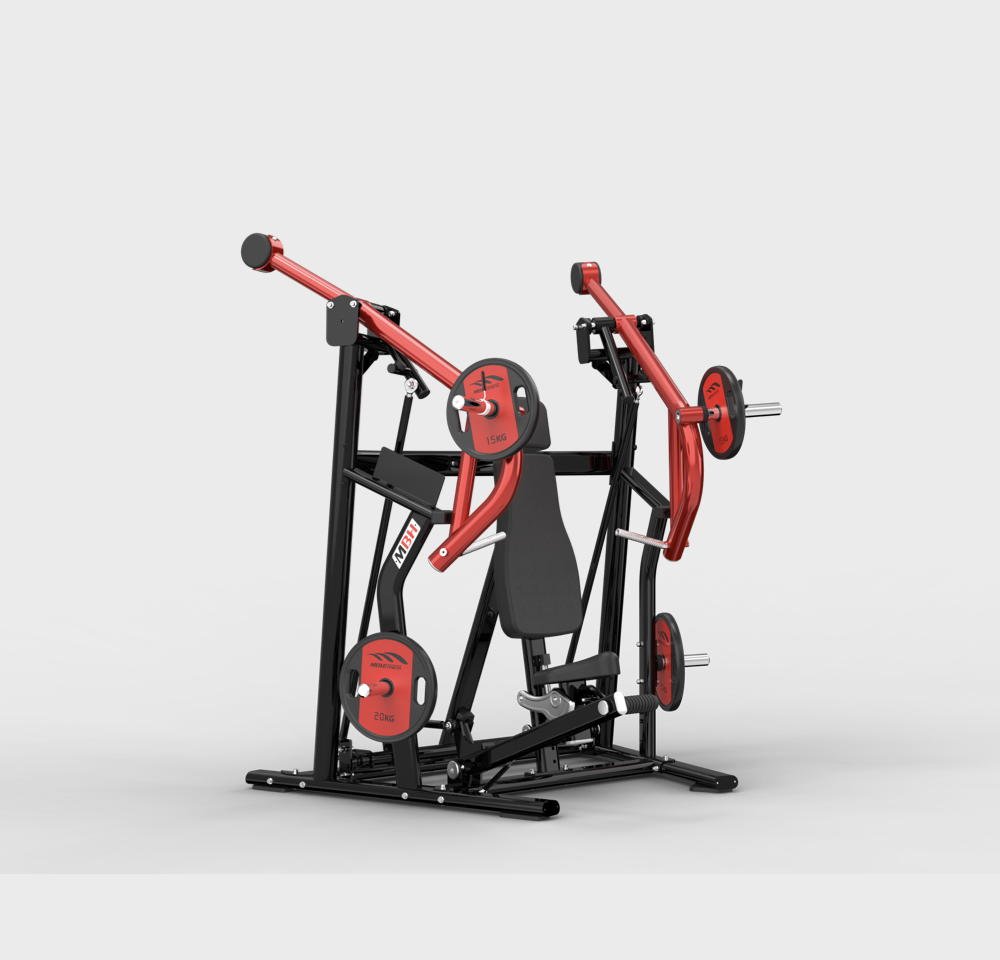
Similarly, Chest Press machines with independent arms, such as the MET1-01 Iso Lateral Incline Press, allow cameras to track left-right symmetry, a key metric for corrective training.
Choosing Equipment That Complements Motion Tracking
When selecting strength equipment for a motion-tracking zone, prioritize machines that:
- Offer full range of motion: Avoid fixed-angle machines that restrict natural movement.
- Feature clear labeling and adjustment marks: Makes it easier for members to set up correctly.
- Are built with commercial-grade durability: Motion tracking encourages higher usage, so equipment must withstand heavy volume.
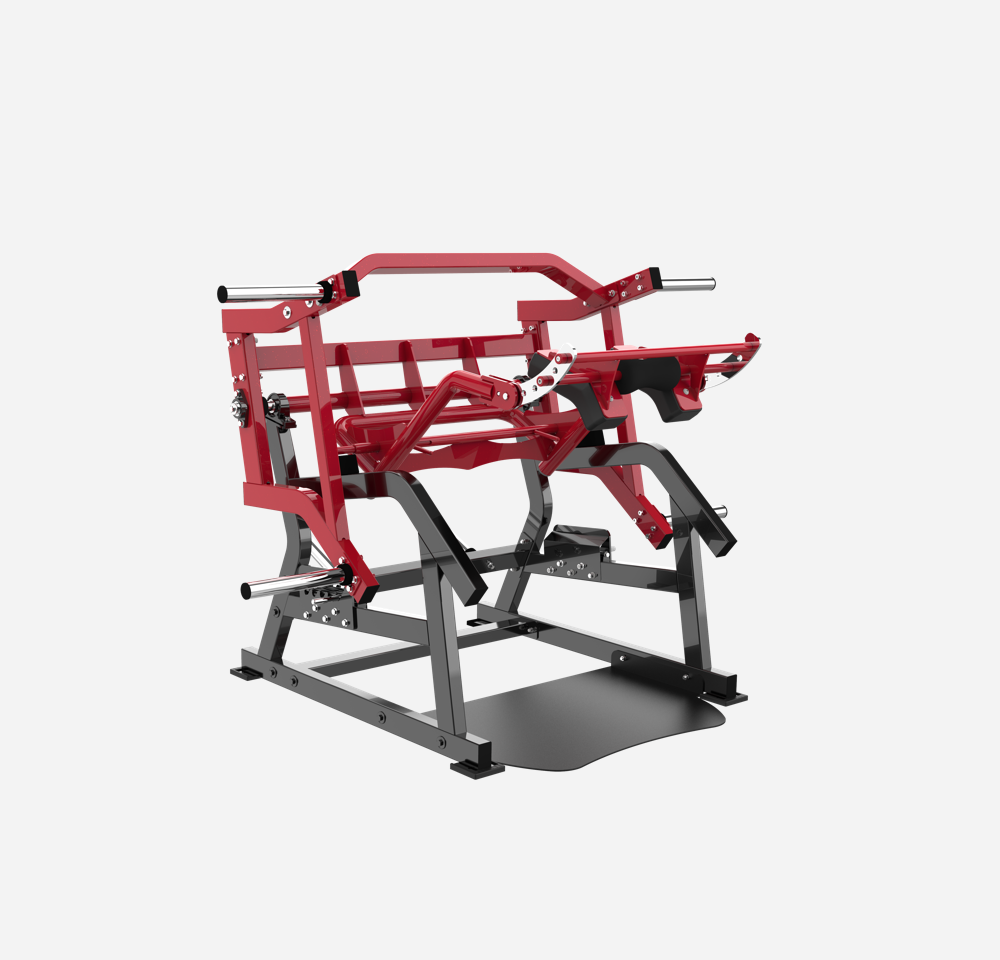
Plate-loaded and selectorized machines from the AMV and MET series, like the AMV-30 SHARK SQUAT TRAINER, offer the stability and adjustability needed for repeated practice under camera guidance.
For cardio, motion tracking can enhance treadmill workouts by analyzing stride rate, impact, and posture. Commercial treadmills with large running surfaces and stable decks, such as the DL800 Commercial Treadmill, provide a consistent platform for gait analysis.

Implementation Tips for Commercial Gyms
- Start small: Pilot motion tracking in one zone – e.g., a few plate-loaded stations – and measure member engagement before expanding.
- Train staff: Instructors and front desk personnel should understand how motion tracking works to answer questions and encourage adoption.
- Integrate with your app: Many members expect data to sync with their phones. Partner with a motion tracking provider that offers an API or white-label app.
- Maintain privacy: Post signage explaining data handling and offer opt-out options for camera zones.
The Future of Motion Tracking
As AI improves, motion tracking will become more accurate at detecting subtle compensations and fatigue patterns. Within three to five years, we may see fully automated strength training floors where cameras coach every rep. For now, the smartest play for operators is to lay the groundwork: invest in quality, motion-friendly equipment and choose a scalable technology partner.
Key Takeaways
- Motion tracking can reduce injury risk, improve member engagement, and provide data-driven coaching.
- Privacy, space, and hardware compatibility are critical factors.
- Choose strength machines with full adjustability and clear sightlines – like those from the MBH AMV and MET series.
- Start with a pilot zone and scale based on feedback.
MBH FITNESS offers a wide range of commercial strength and cardio equipment designed to integrate seamlessly with modern training technologies. Explore their portfolio to find the right foundation for your motion tracking initiative.