


Hybrid training—the deliberate combination of strength work and cardiovascular conditioning in a single session or weekly program—is no longer a niche trend. It has become the preferred training style for a growing segment of fitness enthusiasts who want efficiency, functional fitness, and variety. For commercial gym operators and hotel fitness managers, understanding hybrid training is essential to staying competitive. This article explores what hybrid training means, why it matters, and how to select equipment that supports it.
What Is Hybrid Training?
Hybrid training blurs the line between traditional weightlifting and cardio. Instead of separate strength days and cardio days, programs mix them: circuit-style strength work, supersets of weights and metabolic conditioning, or even alternating heavy lifting with high-intensity intervals. The goal is to improve both muscular strength and cardiovascular endurance without sacrificing either. Popular methods include CrossFit, tactical fitness, and functional bodybuilding.
Why Gyms Must Adapt
Members increasingly expect spaces that allow seamless transitions between strength and cardio. A gym that segregates weight stacks from treadmills forces them to waste time walking between zones. Hybrid-friendly layouts and versatile equipment increase user satisfaction and retention. According to recent surveys, 68% of gym-goers prefer facilities that offer both strength and metabolic training options in one area.
Key Design Principles for Hybrid Spaces
- Zone Efficiency: Create a dedicated hybrid zone near both strength and cardio areas.
- Multi-Function Equipment: Choose machines that support multiple movement patterns and loading options.
- Floor Space & Flow: Allow enough room for barbell complexes, plyometrics, and machine circuits.
Equipment Categories That Shine in Hybrid Training
Not all equipment is created equal for hybrid programming. Below are the core categories every commercial gym should consider.
1. Plate-Loaded Strength Machines
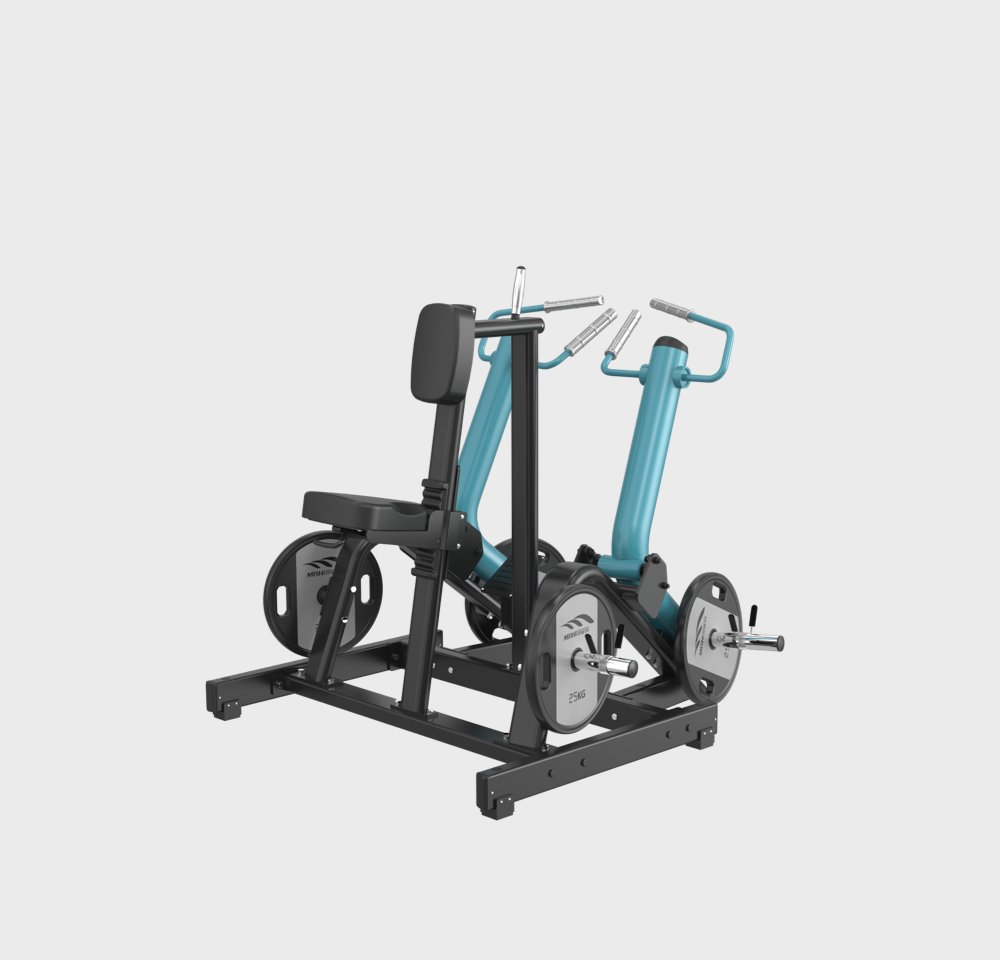
Plate-loaded machines offer the feel of free weights with the stability of a guided path. They allow rapid weight changes, making them ideal for circuits. Models like the LAS-06 Row and LAS-07 Pull Down let users perform compound pulling movements quickly. For pressing, the LAS-05 Wide Chest Press provides a wide hand position that complements hybrid push-pull workouts.
2. Selectorized Strength for Speed
Selectorized machines with pin-loaded stacks are perfect for timed circuits where users need to adjust weight fast. The AMV-32 WILD CHEST and AMV-33 FRONT LAT PULLDOWN are excellent choices. Their smooth cam systems reduce momentum, keeping tension on muscles throughout the range of motion—critical when fatigue sets in during a high-rep set.

3. Specialized Hybrid Movers
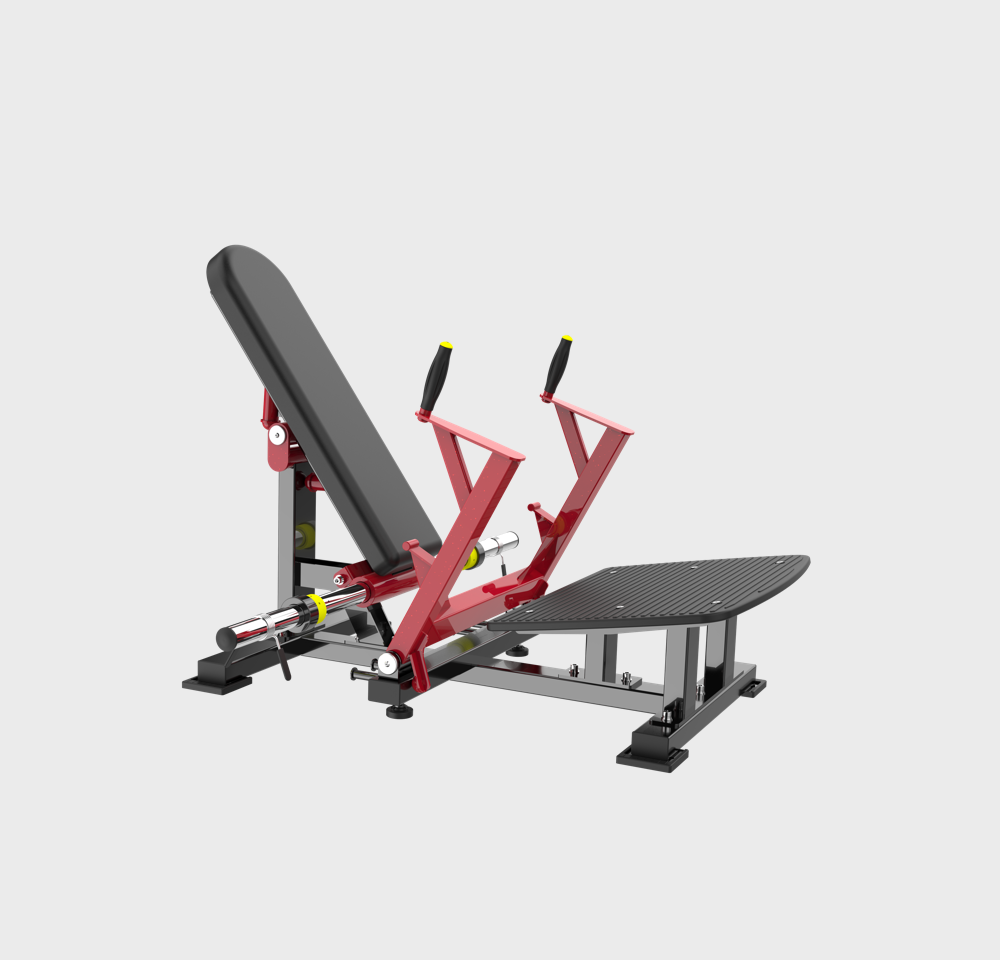
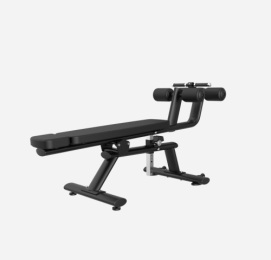
Some movements—like hip thrusts, squat variations, and oblique work—are staples of hybrid programs. The AMV-40 HIP THRUST targets glutes and hamstrings, a weak link in many runners. The AMV-42 PENDULUM SQUAT offers a controlled squat pattern that reduces lower back stress, allowing higher volumes. For lateral strength, the AMV-35 DOWNWARD OBLIOUE CHEST TRAINER (despite its name) can be used for rotational core work.
4. Iso-Lateral and Independent Movement Machines
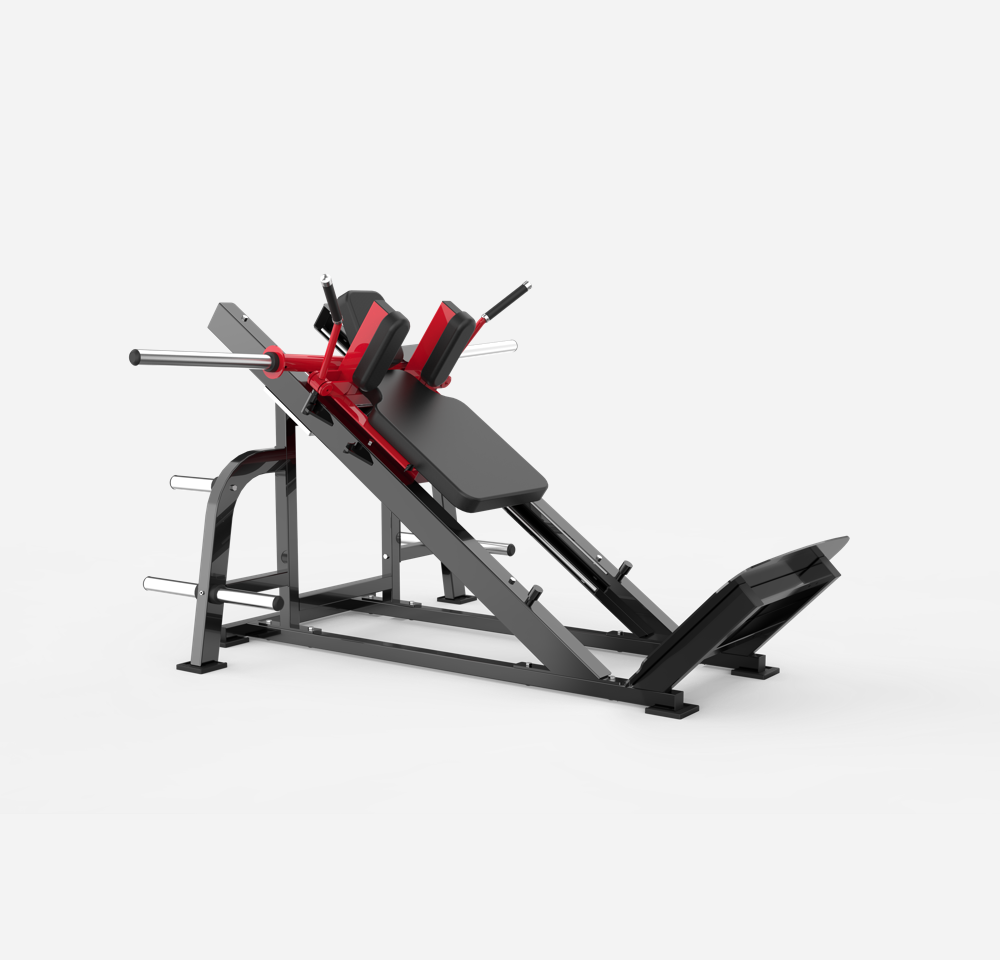
Hybrid training often involves unilateral work to correct imbalances. The MET1-01 Iso Lateral Incline Press and MET1-08 Iso-Lateral Bench Press allow each arm to move independently. This is invaluable for athletes whose strength imbalance limits their cardio performance. Similarly, the MET1-25 Iso-Lateral Leg Extension isolates the quadriceps.
5. Cardio Equipment That Complements Strength
Hybrid training isn't just about machines—it's about integrating cardio. Commercial treadmills like the M005-LED Commercial Treadmill or the M-8809EL Elliptical should be placed near the hybrid zone. For high-intensity intervals, the M-5818 Indoor Bike provides a compact, durable option.
6. Functional Accessories and Racks
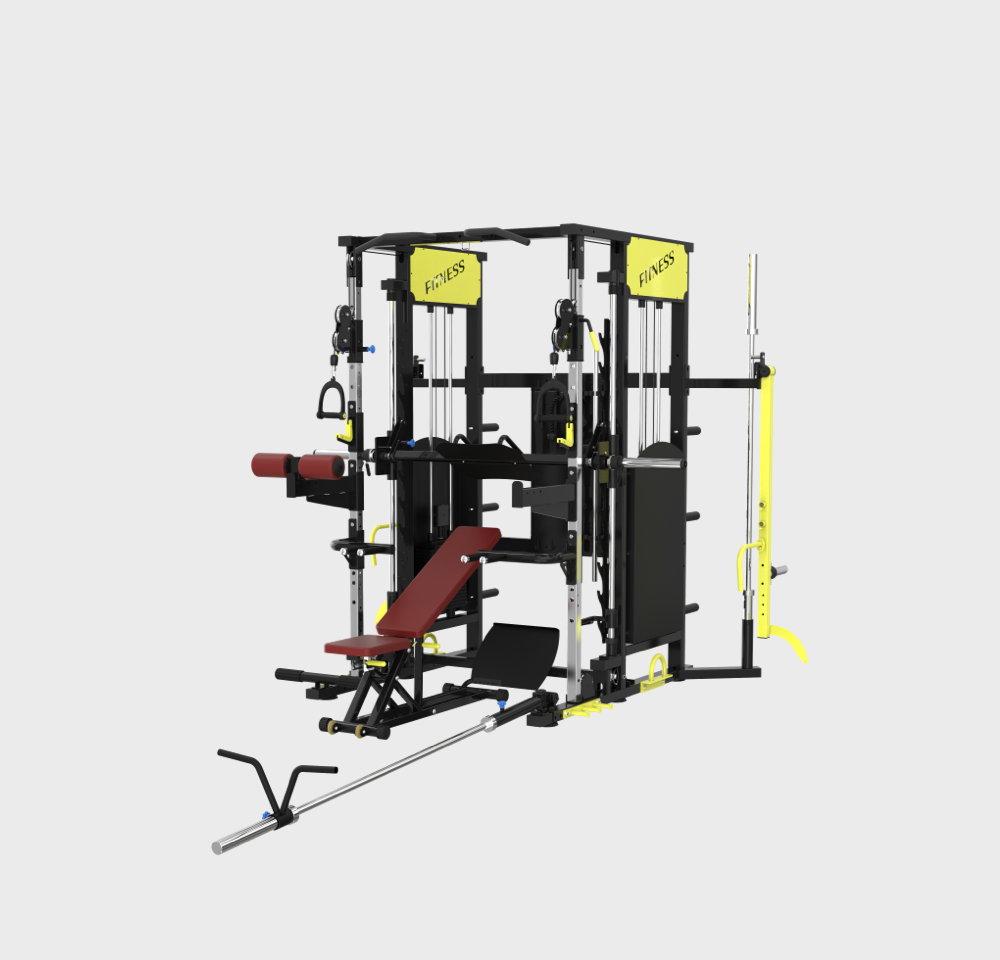
A hybrid gym needs versatile storage. The PL-08 Multi-functional Smith Machin (note: name as given) offers both Smith machine functionality and storage for barbells. For plate storage, the PL-13 and PL-12 keep the floor clear and safe.
Programming Examples for Hybrid Zones
To inspire operators, here are two sample hybrid circuits using the equipment above.
Circuit 1: Full Body Hybrid (45 minutes)
- AMV-33 FRONT LAT PULLDOWN – 12 reps
- M005-LED Treadmill – 400m run
- AMV-42 PENDULUM SQUAT – 15 reps
- LAS-05 Wide Chest Press – 12 reps
- M-5818 Indoor Bike – 30 seconds sprint
- Repeat for 3 rounds
Circuit 2: Strength-Endurance Combo (30 minutes)
- MET1-08 Iso-Lateral Bench Press – 10 reps per side
- AMV-40 HIP THRUST – 15 reps
- M-8809EL Elliptical – 2 minutes steady
- MET1-25 Iso-Lateral Leg Extension – 12 reps per side
- Rest 60 seconds, repeat for 4 rounds
Practical Tips for Gym Operators
- Space planning: Dedicate at least 20% of floor area to hybrid zone.
- Flooring: Use rubber turf or high-density mats to protect equipment and absorb impact.
- Signage: Provide example hybrid workouts on wall posters to guide users.
- Staff training: Teach trainers how to program hybrid workouts using the available machines.
Conclusion
Hybrid training is reshaping member expectations. By curating equipment that seamlessly merges strength and cardio, commercial gyms and hotel fitness centers can attract and retain the modern athlete. The MBH product line—from the AMV series to LAS plate-loaded and commercial cardio—offers a cohesive solution for designing a hybrid-friendly floor. Focus on versatility, flow, and function, and your facility will become a destination for hybrid enthusiasts.