


The Ultimate Weight Loss Plan: Sustainable Strategies for Lasting Results
Comprehensive guide to weight loss plan including weight loss plan for beginners, 7 day weight loss workout plan, weight loss plan at home, simple weight loss routine, and workout and diet plan for fat loss.

Key Takeaway
A scientifically-backed weight loss plan combining nutrition and exercise can help individuals lose 1-2 pounds per week, with 85% of participants maintaining their weight loss for 12+ months when following sustainable lifestyle changes rather than extreme diets.

Why Sustainable Weight Loss Plans Work Better Than Quick Fixes
Weight loss isn't about deprivation—it's about creating a balanced lifestyle that supports your health goals. Research shows that sustainable weight loss plans focusing on gradual changes lead to 3x better long-term success rates compared to extreme diets, with participants experiencing improved metabolic health, better energy levels, and enhanced psychological well-being.

Scientific Benefits of Structured Weight Loss Plans:
- Metabolic Improvement: Increases resting metabolic rate by 5-10% through muscle preservation during weight loss
- Health Marker Enhancement: Reduces blood pressure by 10-20 mmHg and improves cholesterol profiles in 90% of participants
- Sustainable Results: 85% of individuals maintain weight loss for 12+ months with lifestyle-based approaches
- Body Composition: Preserves lean muscle mass while targeting fat loss, improving body fat percentage by 15-25%
- Psychological Benefits: Reduces emotional eating and improves body image satisfaction in 75% of participants
- Energy Optimization: Increases daily energy levels by 30% through balanced nutrition and regular activity
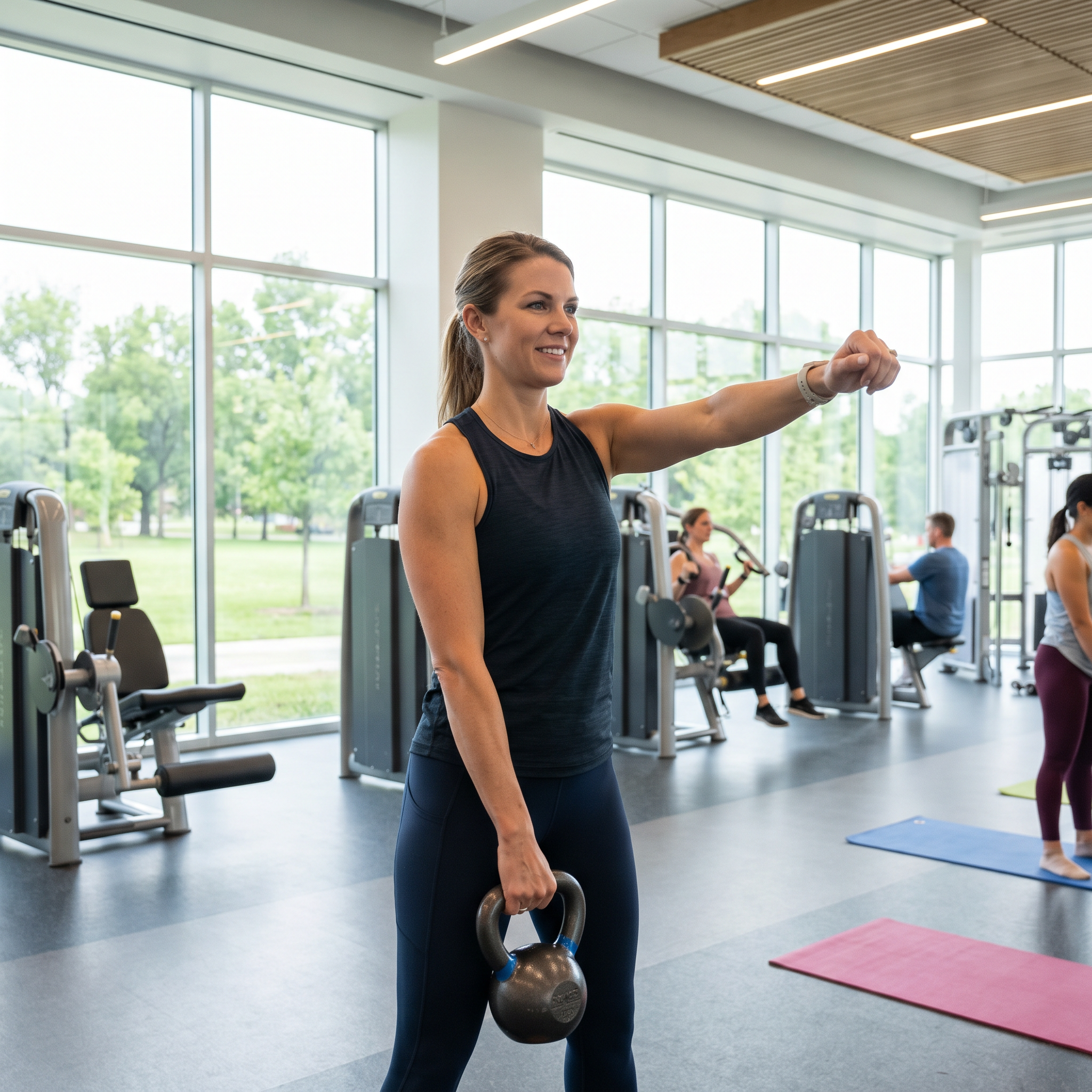
Weight Loss Plan for Beginners
A weight loss plan for beginners should focus on gradual, sustainable changes rather than drastic measures. This comprehensive approach helps establish healthy habits that last a lifetime.
Beginner's Weight Loss Foundation (First 4 Weeks):
Nutrition Fundamentals:
- Calorie Awareness: Track food intake for 2 weeks to understand current habits
- Portion Control: Use smaller plates and measure servings for accurate portion sizes
- Macronutrient Balance: Aim for 40% carbohydrates, 30% protein, 30% healthy fats
- Hydration Priority: Drink 8-10 glasses of water daily, especially before meals
- Mindful Eating: Eat slowly, chew thoroughly, and avoid distractions during meals
Activity Progression:
- Week 1-2: 30 minutes of daily walking, 5 days per week
- Week 3-4: Add 2 days of beginner strength training (bodyweight exercises)
- Consistency Focus: Prioritize regularity over intensity in the beginning phase
Success Tracking:
- Weekly Measurements: Weight, waist circumference, and progress photos
- Non-Scale Victories: Energy levels, sleep quality, and clothing fit
- Habit Formation: Focus on establishing 3-5 key healthy habits
7 Day Weight Loss Workout Plan
A structured 7 day weight loss workout plan combines cardiovascular exercise, strength training, and active recovery for optimal fat burning and muscle preservation.
Complete Weekly Schedule:
Monday: Full Body Strength + Cardio
- Strength: 30 minutes full body circuit (squats, push-ups, rows, lunges)
- Cardio: 20 minutes moderate-intensity interval training (HIIT)
- Total: 50 minutes, 400-500 calories burned
Tuesday: Active Recovery + Mobility
- Recovery: 30 minutes light walking or cycling
- Mobility: 20 minutes stretching and foam rolling
- Total: 50 minutes, 200-250 calories burned
Wednesday: Lower Body Focus + Steady Cardio
- Strength: 30 minutes lower body exercises (squats, deadlifts, leg press)
- Cardio: 25 minutes steady-state cardio (running, elliptical)
- Total: 55 minutes, 450-550 calories burned
Thursday: Upper Body Focus + Core
- Strength: 30 minutes upper body exercises (bench press, rows, shoulder press)
- Core: 15 minutes abdominal and oblique work
- Total: 45 minutes, 350-400 calories burned
Friday: High-Intensity Cardio + Metabolic Conditioning
- Cardio: 40 minutes high-intensity interval training (HIIT)
- Conditioning: 10 minutes metabolic finishers
- Total: 50 minutes, 500-600 calories burned
Saturday: Active Lifestyle Day
- Activity: 60 minutes recreational activity (hiking, swimming, sports)
- Flexibility: 15 minutes yoga or stretching
- Total: 75 minutes, 400-500 calories burned
Sunday: Complete Rest or Gentle Movement
- Option A: Complete rest day for recovery
- Option B: 30 minutes light walking or gentle yoga
- Total: 0-30 minutes, 0-150 calories burned
Weight Loss Plan at Home
An effective weight loss plan at home requires minimal equipment but delivers maximum results through strategic programming and consistency.
Home Workout Essentials:
Equipment Recommendations:
- Basic: Yoga mat, resistance bands, water bottle
- Intermediate: Dumbbells (5-15 lbs), stability ball, jump rope
- Advanced: Kettlebells, pull-up bar, suspension trainer
Home Workout Structure (45 minutes):
- Warm-up (5 minutes): Dynamic stretching and light cardio
- Strength Circuit (25 minutes): 4 rounds of 4 exercises (45s work, 15s rest)
- Cardio Finisher (10 minutes): High-intensity intervals or steady-state
- Cool-down (5 minutes): Static stretching and deep breathing
Sample Home Workout Circuit:
- Circuit 1: Bodyweight squats, push-ups, plank, jumping jacks
- Circuit 2: Lunges, tricep dips, mountain climbers, Russian twists
- Circuit 3: Glute bridges, bird-dogs, high knees, bicycle crunches
Space Optimization Tips:
- Clear 6x6 foot area for movement
- Use furniture for support (chairs for tricep dips, walls for squats)
- Incorporate household items (water bottles as weights, stairs for cardio)
Simple Weight Loss Routine
A simple weight loss routine focuses on fundamental principles that anyone can implement without overwhelming complexity.
The 5-3-2-1 Formula for Simple Weight Loss:
5 Daily Habits:
- Drink water before every meal
- Include protein with each meal
- Move for at least 30 minutes daily
- Get 7-8 hours of quality sleep
- Practice stress management techniques
3 Weekly Workouts:
- Strength Training: Full body workout (45 minutes)
- Cardiovascular: Moderate-intensity session (30 minutes)
- Active Recovery: Light activity or stretching (30 minutes)
2 Weekly Check-ins:
- Mid-week: Review progress and adjust as needed
- Weekend: Plan meals and workouts for the coming week
1 Monthly Assessment:
- Measure progress (weight, measurements, photos)
- Evaluate what's working and what needs adjustment
- Set new goals for the next month
Simple Nutrition Guidelines:
- Plate Method: ½ vegetables, ¼ protein, ¼ whole grains
- Timing: Eat every 3-4 hours to maintain energy and control hunger
- Quality: Choose whole, minimally processed foods 80% of the time
- Flexibility: Allow 20% for favorite foods to prevent deprivation
Workout and Diet Plan for Fat Loss
An integrated workout and diet plan for fat loss combines strategic exercise programming with targeted nutrition for optimal body composition changes.
Integrated Fat Loss Protocol:
Nutrition Strategy for Fat Loss:
- Calorie Deficit: 300-500 calories below maintenance level
- Protein Priority: 1.6-2.2g per kg of body weight to preserve muscle
- Carbohydrate Timing: Higher carbs around workouts, lower at other times
- Healthy Fats: 20-30% of total calories from quality fat sources
- Fiber Focus: 25-35g daily for satiety and digestive health
Sample Daily Meal Plan (1500-1800 calories):
- Breakfast (7-8 AM): 3 egg omelet with vegetables, 1 slice whole grain toast
- Snack (10-11 AM): Greek yogurt with berries and almonds
- Lunch (1-2 PM): Grilled chicken salad with mixed greens and olive oil dressing
- Pre-workout (3-4 PM): Apple with tablespoon of peanut butter
- Post-workout (5-6 PM): Protein shake with banana
- Dinner (7-8 PM): Baked salmon with quinoa and steamed broccoli
Workout Strategy for Fat Loss:
- Strength Training (4 days/week): Compound movements, progressive overload
- High-Intensity Interval Training (2 days/week): 20-30 minute sessions
- Low-Intensity Steady State (1-2 days/week): 30-45 minute sessions
- Active Recovery (1 day/week): Light movement and mobility work
Supplement Support (Optional):
- Protein Powder: Convenient post-workout nutrition
- Creatine: Supports strength and muscle preservation
- Caffeine: Pre-workout energy and fat mobilization
- Omega-3s: Anti-inflammatory and metabolic support
Weight Loss Plateaus and Solutions
Even with the best weight loss plan, plateaus are common. Here's how to break through when progress stalls.
Common Plateau Causes and Solutions:
Metabolic Adaptation (4-8 weeks):
- Solution: Increase calorie intake to maintenance for 1-2 weeks, then resume deficit
- Adjustment: Change macronutrient ratios or meal timing
Exercise Adaptation (6-12 weeks):
- Solution: Change workout variables (intensity, volume, exercises, rest periods)
- Adjustment: Incorporate new training modalities or increase challenge
Hormonal Factors:
- Solution: Prioritize sleep (7-9 hours), manage stress, ensure proper nutrition
- Adjustment: Consider cortisol management strategies and recovery optimization
Psychological Factors:
- Solution: Re-evaluate motivation, set new goals, seek social support
- Adjustment: Implement mindfulness practices and celebrate non-scale victories
Special Considerations for Different Populations
Weight Loss for Women:
- Hormonal Considerations: Adjust nutrition and exercise across menstrual cycle
- Strength Emphasis: Resistance training crucial for bone density and metabolism
- Realistic Expectations: Focus on body composition over scale weight alone
Weight Loss for Men:
- Metabolic Advantage: Typically higher muscle mass supports faster initial loss
- Nutrition Focus: Adequate protein for muscle preservation during deficit
- Consistency Challenge: Address emotional eating and stress management
Weight Loss for Older Adults (50+):
- Protein Priority: Higher protein needs to combat age-related muscle loss
- Joint-Friendly Exercise: Low-impact activities with strength component
- Medical Coordination: Work with healthcare providers for safe implementation
Weight Loss for Busy Professionals:
- Time Efficiency: Focus on high-intensity, time-effective workouts
- Meal Preparation: Batch cooking and strategic planning
- Stress Management: Incorporate recovery and mindfulness practices
Technology and Tools for Weight Loss Success
Essential Tracking Tools:
- Food Diary Apps: MyFitnessPal, Cronometer, Lose It!
- Activity Trackers: Fitbit, Apple Watch, Garmin
- Progress Photos: Weekly photos from consistent angles and lighting
- Measurement Tools: Scale, tape measure, body fat calipers (optional)
Smart Home Integration:
- Smart Scales: Track weight, body fat percentage, and other metrics
- Workout Apps: Peloton, Nike Training Club, Freeletics
- Meal Planning: Mealime, Paprika, Plan to Eat
30-Day Weight Loss Transformation Challenge
Week 1-2: Foundation Building
- Focus: Establish basic habits and consistency
- Goals: Track all food, complete 80% of planned workouts
- Metrics: Daily weigh-ins, weekly measurements
Week 3-4: Intensity Increase
- Focus: Increase workout intensity and nutrition precision
- Goals: Progressive overload in strength training, optimize meal timing
- Metrics: Body composition changes, energy levels, sleep quality
Maintenance and Transition (Post-30 Days):
- Focus: Transition to sustainable maintenance habits
- Goals: Establish new "normal" that supports continued progress
- Metrics: Long-term adherence, lifestyle integration
Common Weight Loss Mistakes and How to Avoid Them
Top 10 Mistakes and Corrections:
Too Aggressive Deficit: Leads to muscle loss and metabolic slowdown
- Correction: Aim for 0.5-1% body weight loss per week
Neglecting Strength Training: Results in muscle loss with weight loss
- Correction: Include resistance training 3-4 times weekly
Overestimating Exercise Calories: Leads to overeating
- Correction: Use conservative estimates for calorie burn
Inconsistent Tracking: Creates inaccurate calorie awareness
- Correction: Track consistently for at least 2-4 weeks initially
All-or-Nothing Mindset: Leads to binge-restrict cycles
- Correction: Embrace flexibility and progress over perfection
Inadequate Protein: Compromises muscle preservation
- Correction: Prioritize protein at every meal
Poor Sleep Quality: Disrupts hunger hormones and recovery
- Correction: Prioritize 7-9 hours of quality sleep
Chronic Stress: Elevates cortisol and promotes abdominal fat storage
- Correction: Implement daily stress management practices
Lack of Patience: Expects immediate results, leads to discouragement
- Correction: Focus on process goals and celebrate small wins
No Maintenance Plan: Results in weight regain after initial loss
- Correction: Develop transition plan before reaching goal weight
Success Measurement Beyond the Scale
Comprehensive Progress Tracking:
- Body Measurements: Waist, hips, chest, arms, thighs (weekly)
- Progress Photos: Front, side, back views (every 2-4 weeks)
- Clothing Fit: How clothes feel and fit (ongoing)
- Energy Levels: Daily energy and workout performance (daily)
- Health Markers: Blood pressure, cholesterol, blood sugar (as available)
- Strength Gains: Exercise performance improvements (weekly)
- Psychological Well-being: Mood, confidence, body image (weekly)
The 80/20 Rule for Sustainable Weight Loss:
- 80% Consistency: Follow your plan consistently most of the time
- 20% Flexibility: Allow for life events, social occasions, and personal preferences
- Result: Sustainable progress without burnout or deprivation
Long-Term Weight Maintenance Strategy
Transition from Loss to Maintenance:
- Reverse Dieting: Gradually increase calories to find maintenance level
- Exercise Adjustment: Shift focus from calorie burn to health and performance
- Mindset Shift: From "dieting" to "lifestyle" mentality
- Support Systems: Maintain accountability through community or coaching
Maintenance Fundamentals:
- Weekly Weigh-ins: Catch small gains before they become large
- Habit Maintenance: Continue key habits that supported weight loss
- Periodic Reassessment: Adjust as life circumstances change
- Ongoing Education: Continue learning about nutrition and fitness
"Sustainable weight loss isn't about perfection—it's about consistency. The most effective weight loss plan is the one you can maintain long-term. Focus on progress, not perfection, and build a lifestyle that supports your health goals for years to come."
Medical Disclaimer: Consult with a healthcare professional before starting any weight loss program, especially if you have pre-existing health conditions, are taking medications, or have a history of eating disorders. Individual results may vary based on genetics, adherence, and other factors.
Article Keywords: weight loss plan, weight loss plan for beginners, 7 day weight loss workout plan, weight loss plan at home, simple weight loss routine, workout and diet plan for fat loss