

How to Choose the Best Lat Pulldown Machine for Your Commercial Gym
The lat pulldown machine is a cornerstone of any well-equipped fitness facility. It targets the latissimus dorsi, Biceps, and rear deltoids, helping members build that coveted V-taper. For gym operators and hotel fitness managers, selecting the right model directly impacts member satisfaction, equipment longevity, and overall return on investment. This guide explores the key factors to consider when adding or upgrading a lat pulldown machine in your commercial space.
Why the Lat Pulldown Matters for Operators
Unlike free-weight rows or pull-ups, the lat pulldown offers a controlled, adjustable resistance that suits all fitness levels. It’s a safe entry point for beginners and a staple for advanced athletes. In a commercial gym, it consistently ranks among the top five most-used machines. For hotels, it provides a compact solution for back training without requiring a pull-up bar. A well-designed lat pulldown can reduce user errors, minimize maintenance, and keep the floor traffic flowing.
Key Features to Evaluate
1. Plate-Loaded vs. Cable-Selectorized
Plate-loaded machines like the MET1-16 Iso-Lateral Front Lat Pulldown offer a traditional feel and lower initial cost. They allow users to load exactly the resistance they need, which is ideal for high-traffic gyms where weight stacks can wear. Cable machines with integrated weight stacks, such as the AMV-33 FRONT LAT PULDOWN, provide faster weight changes and smoother motion – perfect for circuit training or hotel gyms where ease of use is critical.

2. Adjustability and Ergonomics
Look for adjustable thigh pads, seat height, and pivot points. The LAS-07 Pull Down features quick-adjust thigh rollers to accommodate tall and short users, preventing lower back strain. A well-padded seat and durable upholstery also enhance comfort during high-rep sets.
3. Grip Versatility
A commercial machine should include multiple handle options: wide bar, V-grip, neutral-grip handles. The AMV-33 FRONT LAT PULDOWN comes with a standard straight bar and optional attachments, allowing users to vary their grip width and target different back muscles. Some newer models integrate rotating handles, which can reduce wrist fatigue during heavy pulls.
4. Weight Stack Increments and Resistance Curve
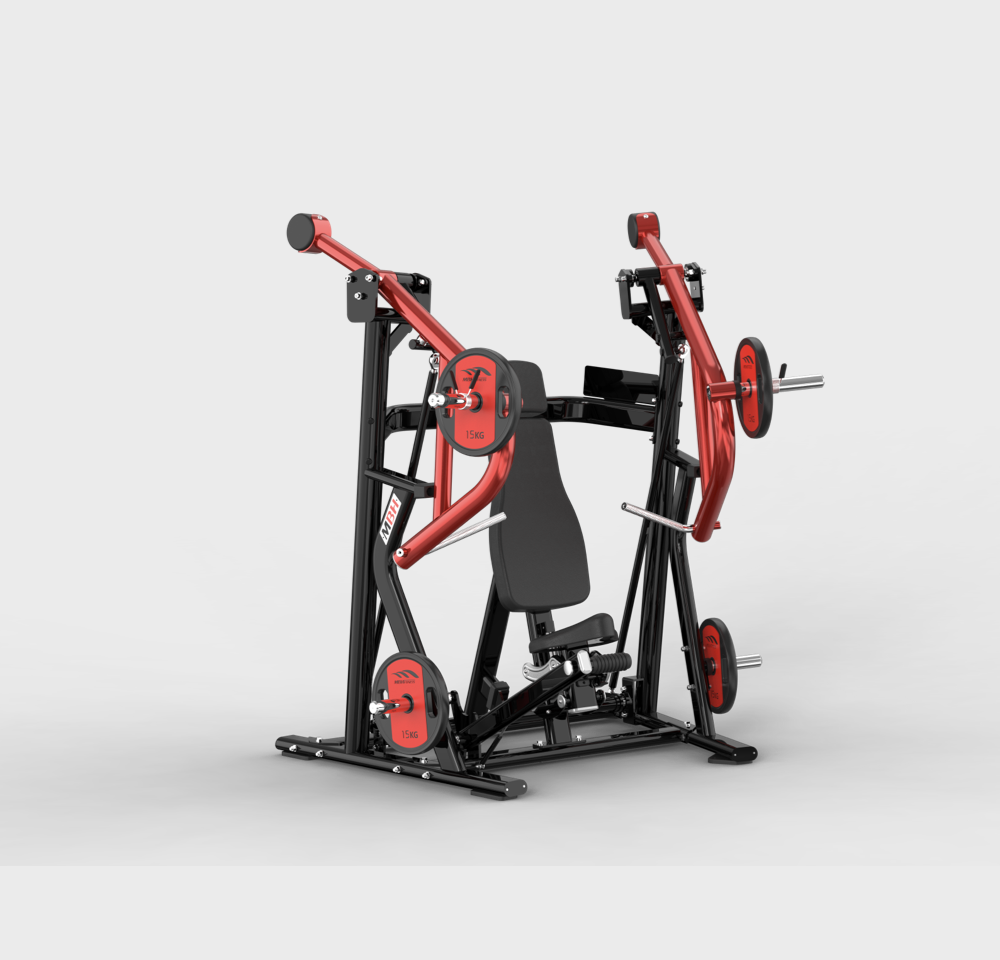
For high-end facilities, consider machines with fine weight increments (e.g., 5 lb steps) to accommodate progress. Plate-loaded options offer infinite adjustability. The MET1-16 Iso-Lateral Front Lat Pulldown uses independent arms that mimic unilateral training, helping correct muscle imbalances. Its resistance curve peaks at the point of full contraction, creating a challenging yet safe stimulus.
5. Frame Stability and Durability
Commercial environments demand solid, wobble-free frames. Look for gauge steel construction, reinforced bolted joints, and a low center of gravity. The AMV-33 features a heavy-duty square tube frame with powder coating that resists chipping. Ensure the machine has a clear, easy-to-read instruction placard to reduce misuse.
Integrating Lat Pulldowns with Other Back Equipment
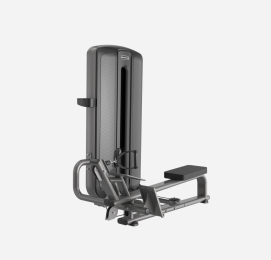
To create a dedicated back-training zone, pair the lat pulldown with a rowing machine. The MET1-14 Plate Loaded iso-Lateral Row complements pulldowns by targeting the middle and lower trapezius. For a complete back circuit, add a low pulley like the LAS-06 Row. This arrangement maximizes floor space and encourages proper workout flow.
Space Considerations for Hotels
Hotel fitness rooms often have limited square footage. Compact selectorized units like the LAS-07 Pull Down fit into tight corners without sacrificing performance. Its weight stack uses a small footprint, and the machine can be bolted directly to a cushioned floor. If space allows, consider a multi-station gym that includes a lat pulldown and other exercises, but a dedicated unit tends to have smoother mechanics and better user engagement.
Maintenance Tips for Longevity
- Wipe down the seat and handles daily with disinfectant.
- Lubricate the linear guide rails (if present) monthly with silicone spray.
- Check cable tension on selectorized models every quarter – replace cables when fraying appears.
- Inspect all bolts and tighten as needed, especially after heavy use periods.
Making the Final Decision
Choosing between plate-loaded and cable-selectorized comes down to your membership profile. High-turnover commercial gyms may prefer plate-loaded for durability and minimal electronics. Hotels and luxury clubs often opt for quieter, smoother selectorized models. Test the motion yourself: a good lat pulldown should feel buttery, with no catching or jerking. Check the warranty – reputable brands offer at least two years on parts and lifetime on the frame.
For example, the AMV-33 FRONT LAT PULDOWN combines a compact footprint with a 200-lb weight stack, making it ideal for mid-sized commercial facilities. Meanwhile, the MET1-16 offers the versatility of unilateral movement, perfect for facilities that emphasize functional training.
Conclusion
A lat pulldown machine is a smart investment for any gym floor. By prioritizing ergonomics, adjustability, and build quality, you’ll attract more users and reduce repair costs. Whether you operate a bustling fitness center or a hotel wellness area, matching the machine to your clientele will pay dividends in member retention and equipment efficiency.